
The United States and Iran on Wednesday signed a 14-point interim agreement to extend a ceasefire by 60 days and to set terms for talks on a final peace deal after nearly four months of war. The agreement was signed by Presidents Donald Trump and Masoud Pezeshkian. US and Iranian officials said the memorandum was digitally signed in English and Farsi and took effect immediately.The memorandum includes an immediate end to the war on all fronts, including Lebanon, the reopening of the Strait of Hormuz, the lifting of the US blockade of Iranian ports, the waiving of US sanctions on Iran, the unfreezing of Iranian assets, and a proposed $300 billion fund for post-war reconstruction. Despite the deal, Trump warned that the US would resume attacks and kill Iranian officials if Tehran failed to honour its commitments.
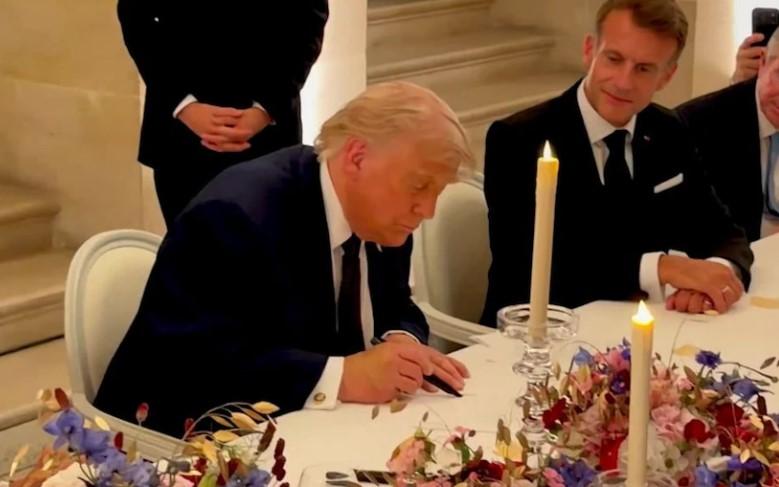
Officials on both sides said the document was initially signed electronically on Sunday by US Vice President JD Vance and Iran's chief negotiator Mohammad Baqer Qalibaf before being formally executed by Trump and Pezeshkian on Wednesday. Trump also signed a hard copy during a dinner with French President Emmanuel Macron at the Palace of Versailles. The White House published a video of the signing and confirmed the agreement had been sent to Iran and mediating countries to formally put the deal into effect.
The signing took place while Trump was attending the G7 summit in France. Iranian officials said negotiating teams were still due to gather in Geneva, but Friday's meeting in Switzerland was not intended for signing the agreement. The digital execution of the document meant no physical signing ceremony would be held in Switzerland.
The war began on February 28 when the US and Israel launched attacks on Iran and assassinated Supreme Leader Ayatollah Ali Khamenei and military leaders. The conflict quickly widened, killing more than 7,000 people, mostly in Iran and Lebanon. It also pushed up energy prices, renewed inflationary pressure, and raised concerns over a food supply crisis in developing countries. The new agreement extends a ceasefire announced in April by another 60 days to allow negotiations on a final truce.
At a press conference, Trump said the US would bomb Iran if it violated the agreement but expressed hope that the next 60 days of negotiations would bring peace in the Middle East and lower oil prices. He also stepped back from earlier threats to destroy Iran's ballistic missiles, saying it would be unfair if Tehran did not have them while other regional countries did.
Iranian leaders celebrated the agreement and released photographs of the first agreement signed by both a US and Iranian president since 1979. Qalibaf said the deal achieved more through negotiation than military action and included the unfreezing of billions of dollars in Iranian assets.