
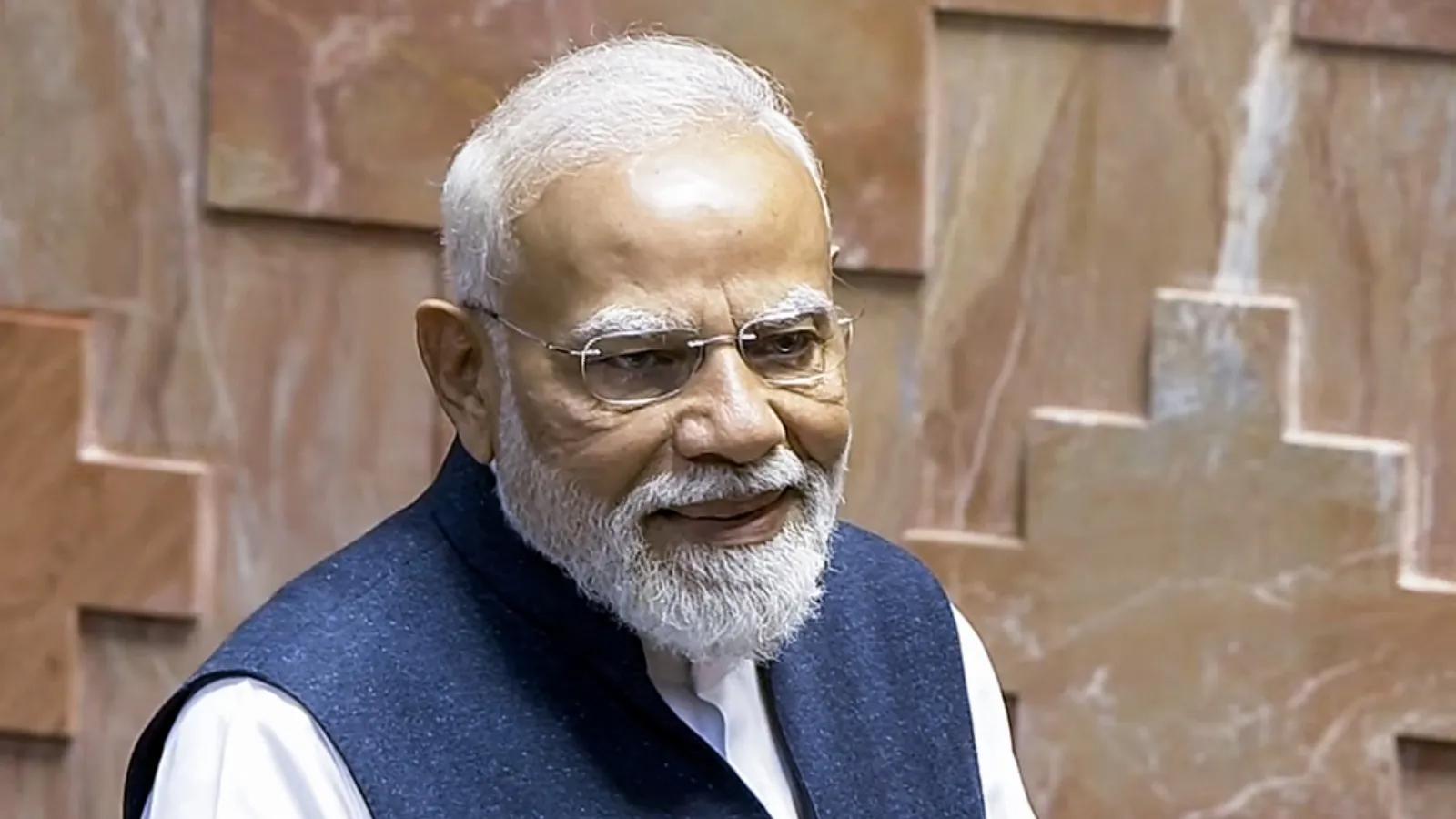
India has strengthened its position in Asia, becoming the third-most powerful country in 2026, according to a report by Lowy Institute. The report also noted a significant improvement in assessments of Prime Minister Narendra Modi's regional leadership, with experts ranking him as the second-most effective regional leader in Asia, behind Chinese President Xi Jinping. The United States and China retained the top two positions respectively. India's growing regional influence through improvements in diplomatic standing, defence engagement, cultural reach helped it to grab the third spot, the report said.
India's overall score rose to 40.5 points
With India's overall power score rose to 40.5 points, the gap between India and China reached its narrowest point since the index was launched, although China's overall power remains around 80 per cent higher than India's, it added. India's strongest area remained diplomatic influence with a score of 70.3 points, future resources score improved to 56.2 points while country’s economic capability score was at 26.4 points. India's strongest area remained diplomatic influence with a score of 70.3 points, future resources score improved to 56.2 points while country’s economic capability score was at 26.4 points.
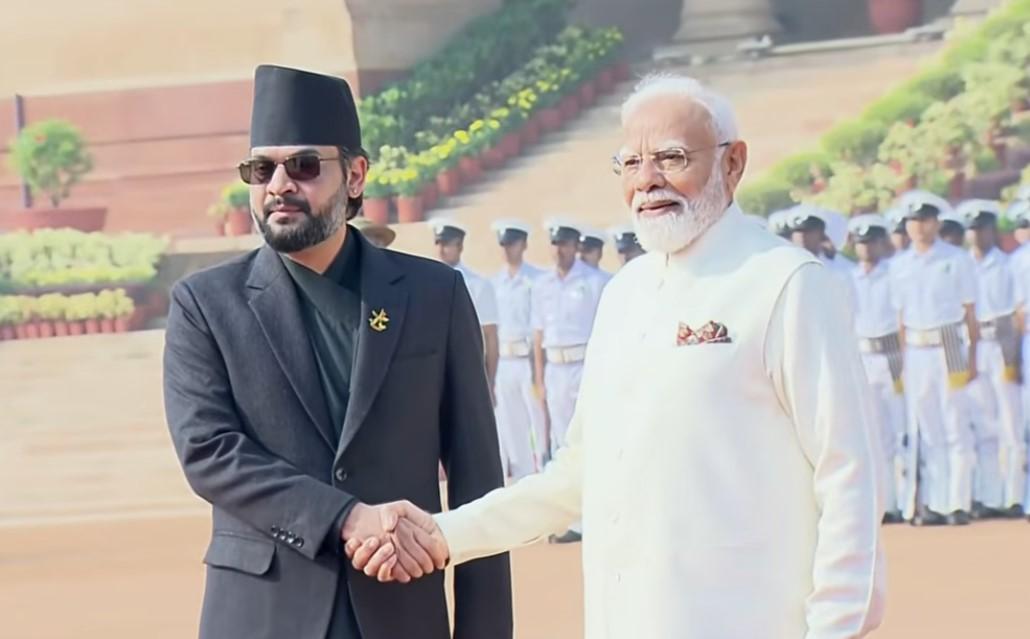
Commenting on the rankings, Hunter Marston, Director of the Southeast Asia Program at the Lowy Institute in a post on X said, "India rose to 40.5, consolidating its place as a major power. The gap with China is the narrowest since 2018, and Modi is now rated the second-most effective regional leader behind Xi, despite a dip in economic capability."
Key factors behind India's top spot in Asia Power rankings
The report said India's influence in Asia expanded despite mixed economic and diplomatic outcomes. Stable trade and investment ties helped lift its Economic Relationships ranking, while greater regional defence engagement and exports of BrahMos missiles to Southeast Asia strengthened its Defence Networks score. India's cultural influence also improved, driven by gains in cultural outreach, information flows and people-to-people exchanges. According to the report, these gains helped India narrow its power yield gap for the first time since 2023, indicating that the country is translating its resources into regional influence more effectively.
The Asia Power Index evaluates 27 countries and territories covering eight measures of power, economic and military capability, resilience, diplomatic influence and economic relationships.